The truth behind 6 modern fears we all share - how worried should we be?
5/25/2018
8,886 views
Everyone is afraid of something, isn't that true? As it turns out, even the greatest and more popular fears in the world can be nurtured not by real events, but only by some imaginary phenomena...
#1
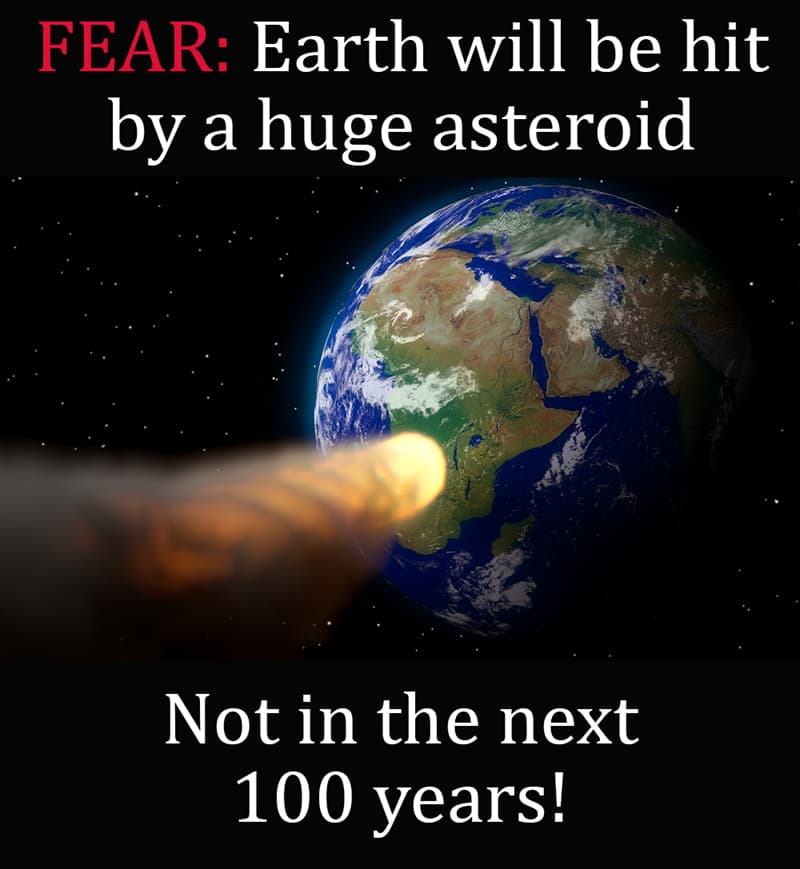
NASA specialists are constantly watching the sky and try to find any potential threats to life on Earth as early as possible. In fact, 60 to 100 tons of cosmic material hit Earth every day in the form of small meteorites and dust, but these objects pose no risk to humanity. Only the objects larger than 150 meters are termed hazardous, and the scientists are now tracking more than 15,000 of them.
Today NASA gives a 1 to 4000 chance that a large asteroid could potentially impact Earth sometime between 2169 and 2199. Anyway, such objects as the Chelyabinsk meteor (approximately 20 meters in diameter), which entered Earth's atmosphere in 2013, are considered relatively small. They are not constantly tracked and can hit our planet unexpectedly. According to the scientists, such an event can occur once or twice a century.
Today NASA gives a 1 to 4000 chance that a large asteroid could potentially impact Earth sometime between 2169 and 2199. Anyway, such objects as the Chelyabinsk meteor (approximately 20 meters in diameter), which entered Earth's atmosphere in 2013, are considered relatively small. They are not constantly tracked and can hit our planet unexpectedly. According to the scientists, such an event can occur once or twice a century.
#2
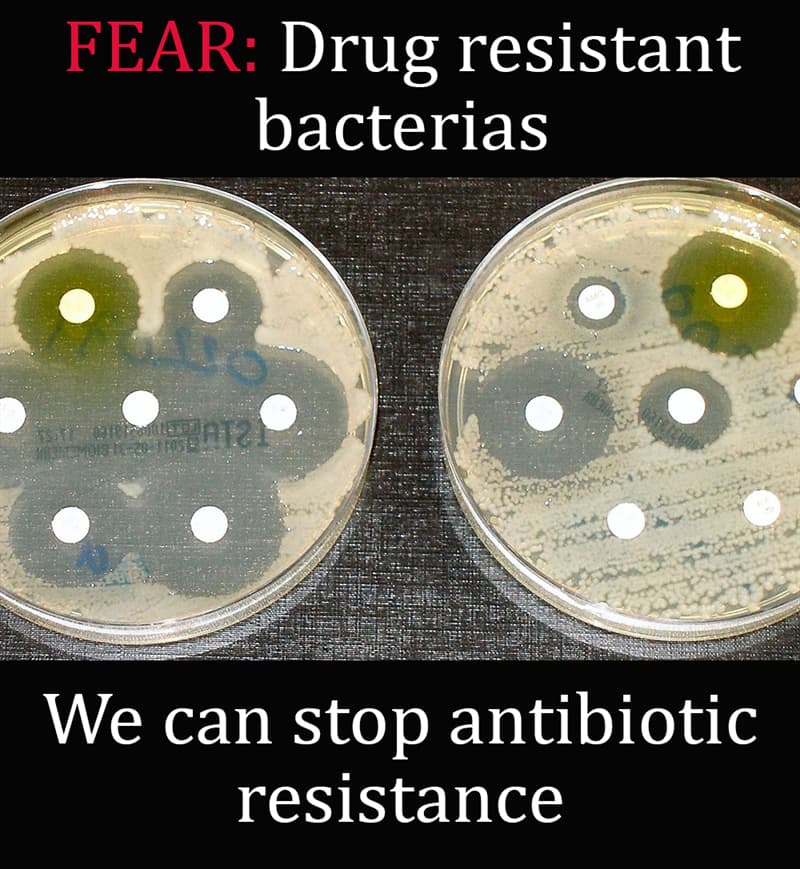
More and more people die of antibiotic-resistant infections every year, and there is nothing we can do about it yet. The thing is that some bacteria are able to change in a way that reduces the effectiveness of drugs, so even the most common illnesses become no longer treatable with antibiotics. Healthcare specialists are now aware of the problem, and a lot can be done to prevent global antibiotic resistance.
First of all, antibiotics should be prescribed only when they are likely to benefit the patient. In their turn, patients should take the antibiotics exactly as their doctor tells them. It is prohibited to take antibiotics for such viral infections as the flu or a cold. You also should not save the prescribed antibiotics for the next time you get sick.
First of all, antibiotics should be prescribed only when they are likely to benefit the patient. In their turn, patients should take the antibiotics exactly as their doctor tells them. It is prohibited to take antibiotics for such viral infections as the flu or a cold. You also should not save the prescribed antibiotics for the next time you get sick.
#3

Today, nine countries have nuclear weapons: France, Israel, Russia, North Korea, the US, the UK, Pakistan, India, and China. It's easy to get caught up imagining the worst case scenarios, but, in fact, the nuclear war is less likely than many people think.
First of all, no government in the world will benefit from nuclear engagement. Possible loses are much higher than possible benefits. To start such a war, an aggressor must be confident of victory... which is almost impossible in the modern world. Any nation which started such a war would attract censure from their own citizens and the world community. Can you imagine what will happen with such a country if their opponent and their allies strike back? In reality, most parties in power don't want nuclear war to happen.
First of all, no government in the world will benefit from nuclear engagement. Possible loses are much higher than possible benefits. To start such a war, an aggressor must be confident of victory... which is almost impossible in the modern world. Any nation which started such a war would attract censure from their own citizens and the world community. Can you imagine what will happen with such a country if their opponent and their allies strike back? In reality, most parties in power don't want nuclear war to happen.
#4
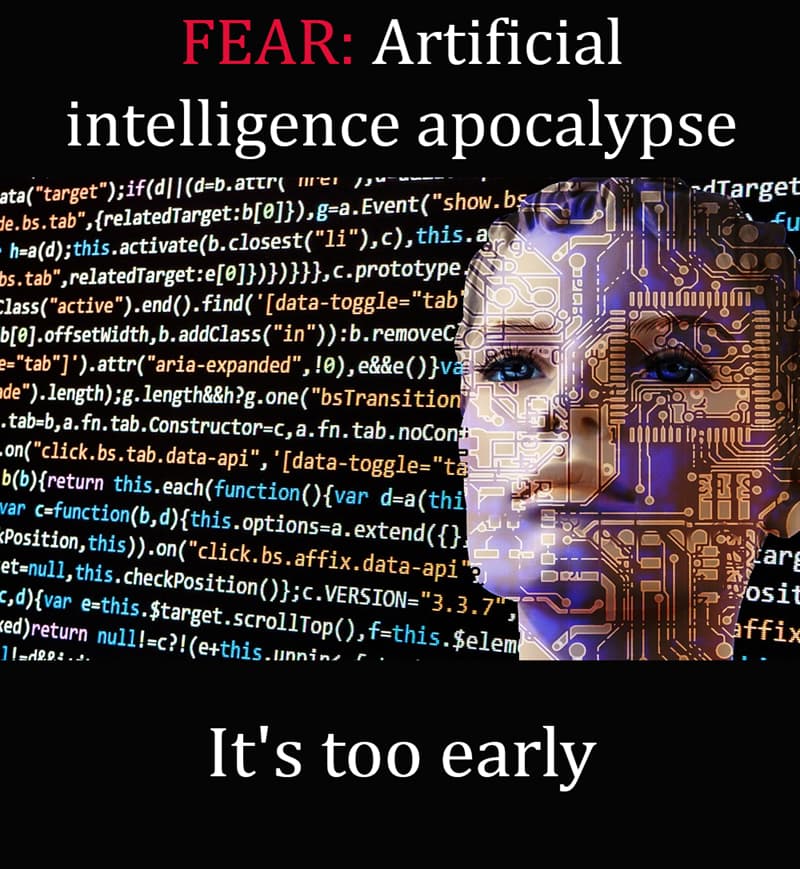
Artificial Intelligence systems are used everywhere today: in medicine, finance, text processing, autonomous driving and our everyday life. More and more people see AI as a potential threat to humanity... but, as it tuns out, most of them don't even know what they are talking about. Of course, one day we can build a machine which will be more intelligent than humans, but that doesn't mean such a robot will be evil. No one has yet solved the mystery of human consciousness, so no one can put it inside a computer yet. We have nothing to be afraid of as long as the machines we create function according to the rules we provide.
#5
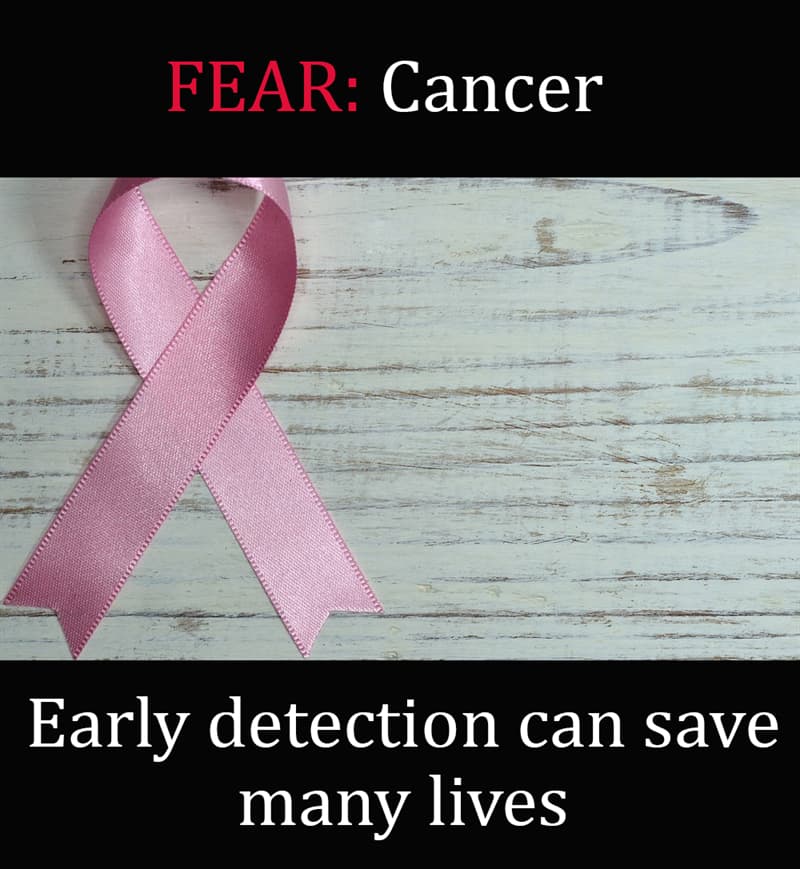
Every sixth death in the world is due to cancer, making it the second leading cause of death. Anyway, almost half if cancer patients are diagnosed too late, which greatly reduces their chances for survival. If you have an overwhelming fear of cancer, remember you can always get a screening test to explore how healthy or unhealthy you are.
It is impossible to find out exactly why one person develops cancer and another doesn’t. Anyway, certain risk factors may increase one’s chances of developing cancer. First of all, your family history matters. If you have genetic predisposition to cancer, you should get screening tests on a regular basis. Other risk factors for different types of cancer are tobacco, alcohol, sun and radiation exposure, being overweight, lack of physical activity, etc. You can lower your cancer risk by leading a healthy lifestyle.
It is impossible to find out exactly why one person develops cancer and another doesn’t. Anyway, certain risk factors may increase one’s chances of developing cancer. First of all, your family history matters. If you have genetic predisposition to cancer, you should get screening tests on a regular basis. Other risk factors for different types of cancer are tobacco, alcohol, sun and radiation exposure, being overweight, lack of physical activity, etc. You can lower your cancer risk by leading a healthy lifestyle.
#6

Genetically modified organisms are animals, microorganisms, and plants, the genes of which have been altered by the scientists to change their traits, taste, smell or speed of growing. Today, many people are afraid of GMOs and believe these products to be generally unsafe. According to recent research, most people who try to avoid GMOs don't have a lot of knowledge about them. Their fear is based on a psychological tendency to desire naturalness in food, and GMO products simply look unnatural to them. Today, about 95% of scientists believe that GMOs are safe to eat.
What are yo afraid of? What do you think about the problems mentioned in the article? Do you believe we are too stressed and anxious these days?
We are waiting for your comments!
More amazing facts on QuizzClub.com:
Don't forget to SHARE this information with your friends!
What are your thoughts on this subject?
36 Comments

L Lh Adams
The problem with antibiotic resistant antigens is that many Countries allow over the Counter sales of antibiotics.

Elsy O. Stromberg
If you take antibiotics as prescribed there shouldn't be any left over. Too many people are carelessly misusing antibiotics I think. Also re. #3, I worry about a crazy dictator having access to nuclear weapons.

Doris Dallaire
Nuclear war! Some crazy leader who cannot stand to lose could hit the button and end life on Earth as we know it. Just think of N.Korea or Putin.

Shoshana Katz
I personally have problems with the toxic compounds put on GMO's that we do ingest with our food. Fortunately for me, I keep Kosher which rules out GMO's.

rfkeene
You failed to list an electromagnetic pulse.
EMP

vasily tchaikovsky
gracerenshaw, Stay positive please
nevillevaz
OK, so the medical fraternity should stop prescribing flippant antibiotic-use. What about the Food Industry who are dousing a large spectrum of our food chain from crops to poultry with prodigious use of antibiotics? Lancet has warned that resulting drug-resistant bacteria could cross over to humans. Why do we always have to wait before we reach the precipice?

Judith Bandsma
#3 Evidently that was written before 45
Louise McGoey
Perhaps GMO foods are safe to eat - there are many other problems with them though. Farmers are expected to purchase seeds every year. Secondly they do have a significant impact on certain species. They are a great money maker for Monsanto though!
vasily tchaikovsky
Nice information,thanks

John McLardie
GM foodstuffs is like packing meat with steroids to 'bulk it up'. If the scientists like it so much they can eat it. I won't be.

Beverly Messner
All propaganda, especially the GMOs.

Diane Thompson
gracerenshaw, O come on, shame on who? Sometimes attitudes do more harm than any food.

Jacqueline Tattam
Steven Ernest Scott, how very Christian of you!

Roger LaFarlette
Superbugs, bacteria with no abx cure. Especially from improperly cleaned surgical instruments or infected medical equipment for scoping exams, colonoscopy, EGDs, bronchoscopies, ... et cetera