5 potentially perilous plants and how to identify them
Being able to identify perilous plants can save you a lot of hassle. Here are 5 plants you should steer clear of.
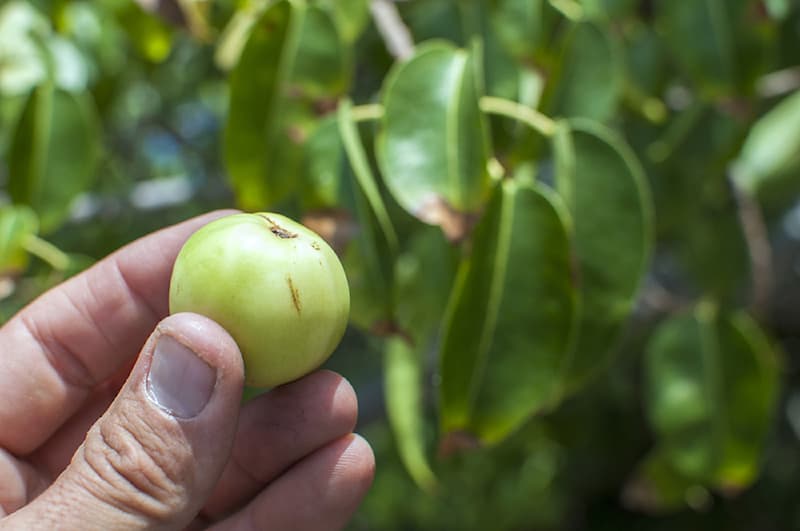
#1 Manchineel tree/apple.
Also known by the name beach apple, this tree can be distinguished because of its shiny green leaves, its red bark and green-yellow flowers. Every bit of this tree is toxic and when its sap touches your skin it causes dermatitis. Steer clear!
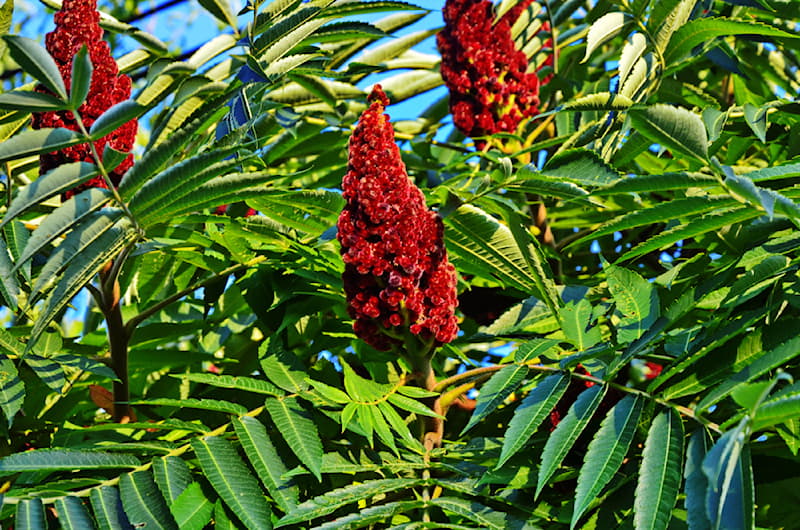
#2 Poison sumac.
Coming in contact with sumac will cause a rash that will linger for weeks. Avoid it by noticing its red stem and the feather-like arrangement of its leaves. These are arranged in groups of 7 to 13 around a long stem. Another key feature are its green berries, as it’s harmless cousin sports red ones.
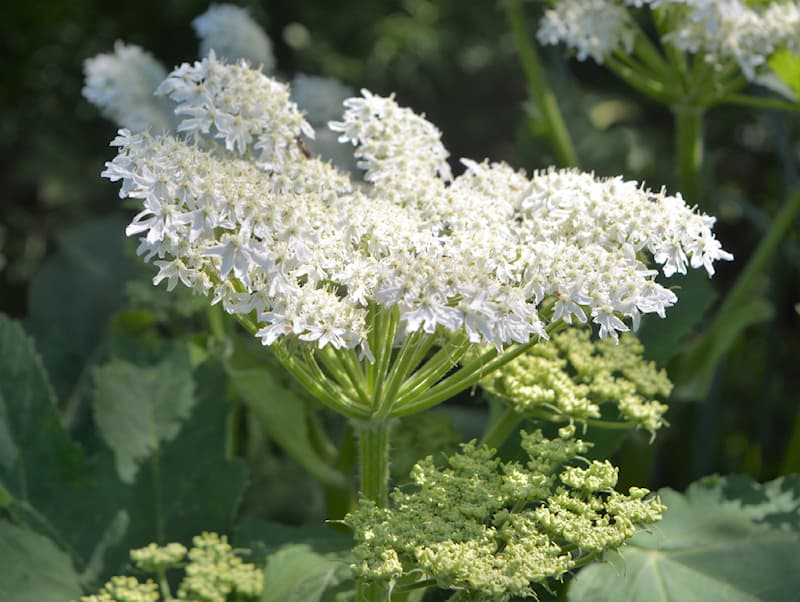
#3 Giant hogweed.
Sporting a powerfully green stem and dark red spots around its hairs, this plant usually has white flowers arranged in the shape of an umbrella. Its sap can cause painful blisters when you expose the affected skin to sunlight. Watch out, as this plant is easily confused with the non offending parsnip plant.
#4 Poison ivy/ blackberry.
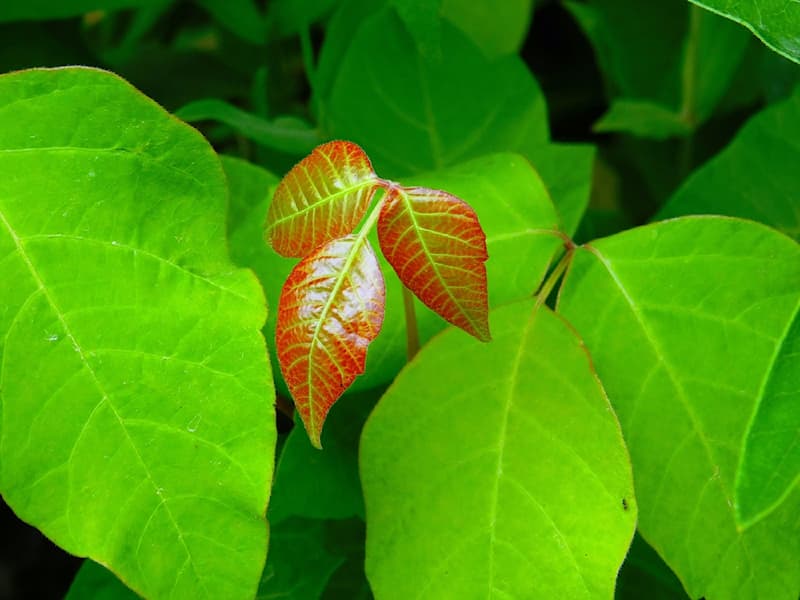
Presenting as a shrub or vine, poison ivy produces resin that will produce a horrible rash that will spread on your entire body. Watch out for its telltale leaves, each sporting three leaflets. Sometimes, poison ivy will be found around blackberries. However they lack the blackberry bush’s thorns, so that’s a great way to be able to tell them apart.
#5 Gympie-gympie.
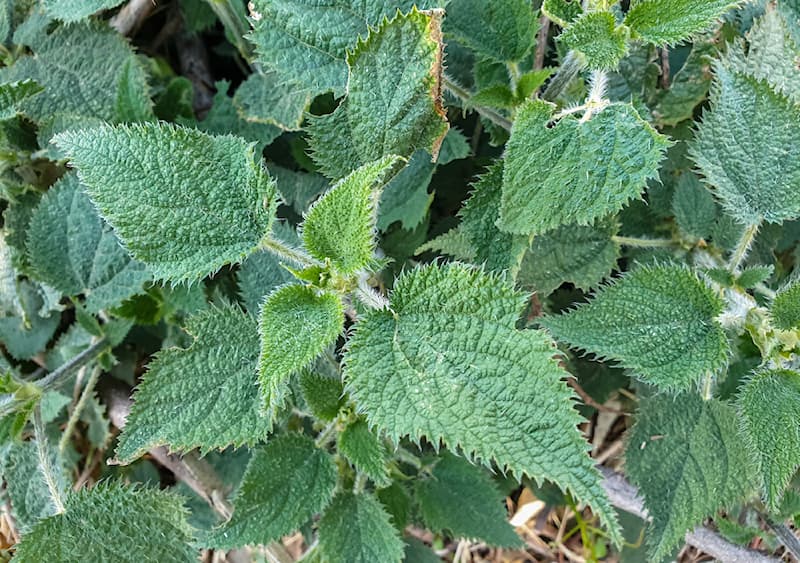
This is a very very dangerous plant. Its stinging hairs cause a powerful burning that can last months. It can cause anaphylactic shock in some and long lasting pain in others. Native to Malesia and Australia, you’ll recognize this plant because of its heart-shaped leaves with saw toothed edges.
Did you know some of these facts before? We are waiting for your comments.
It's time to get smarter. Answer QuizzClub's fun trivia questions and boost your knowledge!
SHARE this article if you find the info useful!